Real estate success is not about timing the market; it is about time in the market. By viewing your property not as a transaction but as a component of a larger financial structure, you transition from 'owning a house' to 'building a legacy.'
Comprehensive Information
NuHaven.ca provides detailed information on presale developments, empowering informed buyer decisions.
User-friendly Website
The company features on intuitive website for easy navigation through various presale developments and find relevant information.
Expert Guidance
The team consists of experienced real estate professionals offering expert advice and support throughout the presale process.
Responsive Customer Service
NuHaven.ca prioritizes customer satisfaction with responsive services.
Unlocking Real Estate
At NuHaven.ca, we are dedicated to simplifying the real estate market for prospective buyers in British Columbia. Founded in 2025 by a passionate real estate enthusiast, we specialize in showcasing presale developments throughout the Lower Mainland. Our user-friendly website offers comprehensive information on various projects, including specifications, pricing, and high-quality images. With a commitment to exceptional customer service, our experienced team guides clients through the presale process, ensuring they make informed decisions and find the perfect property to meet their needs.
Presales Done Right – Empowering Buyers Every Step of the Way.
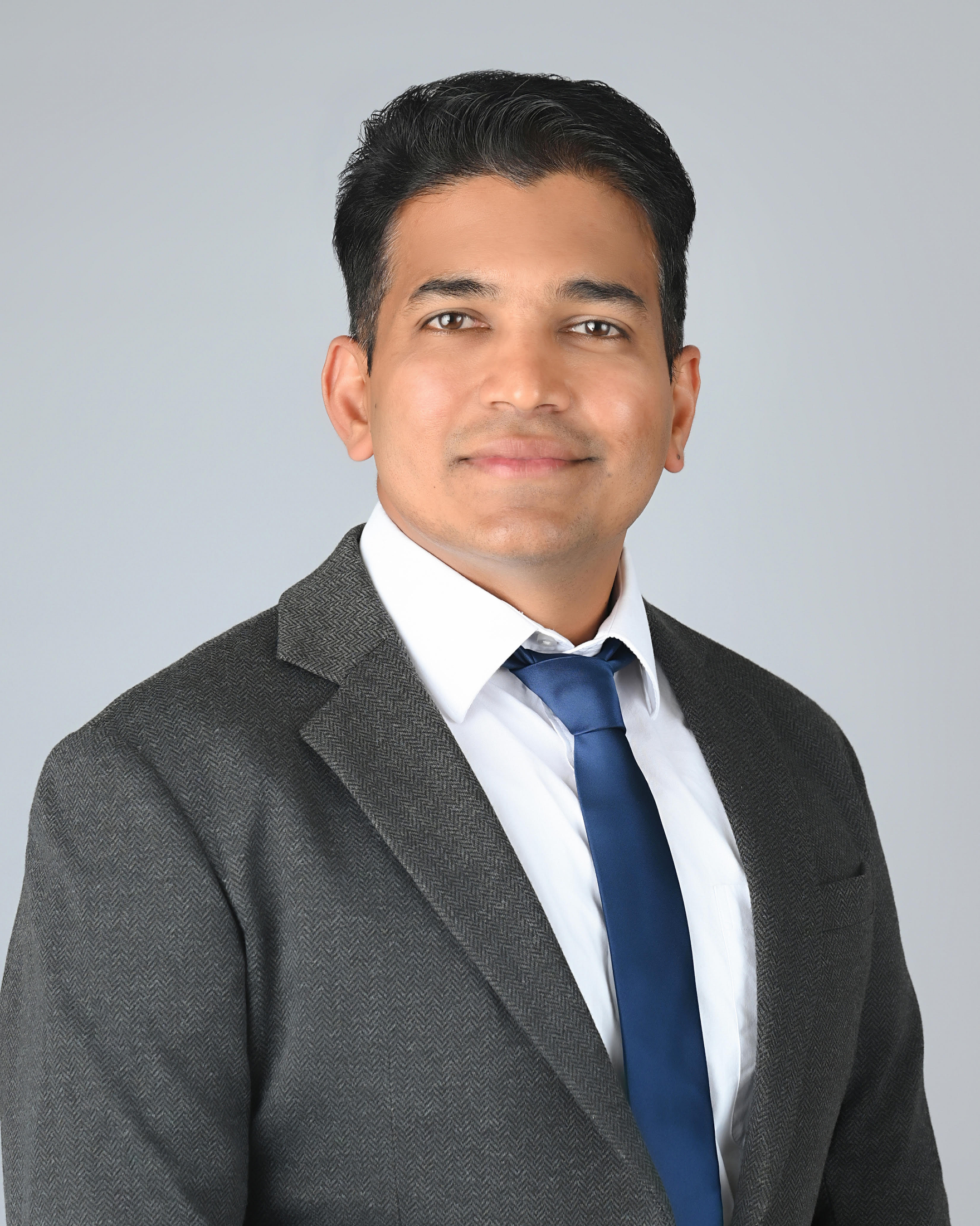
PARAG NAGDA
778-952-6310
 Brokerage: Nationwide Realty Corp
709 SE Marine Drive, Vancouver,
BC V5X 2T9. 604 499 0030

 The data relating to real estate on this website comes in part from the MLS® Reciprocity program of either the Greater Vancouver REALTORS® (GVR), the Fraser Valley Real Estate Board (FVREB) or the Chilliwack and District Real Estate Board (CADREB). Real estate listings held by participating real estate firms are marked with the MLS® logo and detailed information about the listing includes the name of the listing agent. This representation is based in whole or part on data generated by either the GVR, the FVREB or the CADREB which assumes no responsibility for its accuracy. The materials contained on this page may not be reproduced without the express written consent of either the GVR, the FVREB or the CADREB.